

Introduction: Certification Has Become a Market Entry Requirement
In the global electrical accessories industry, product certification is no longer optional-it is a fundamental requirement for market entry. As international trade regulations become stricter, importers, wholesalers, and private-label brands must ensure that every product complies with the safety and environmental standards of their target markets.
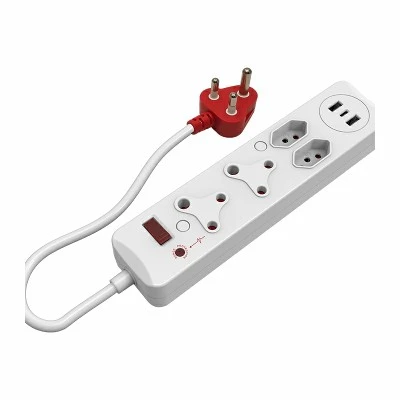
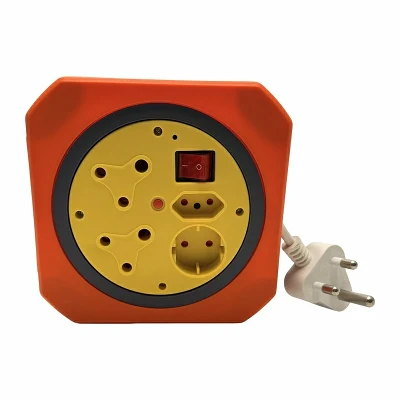
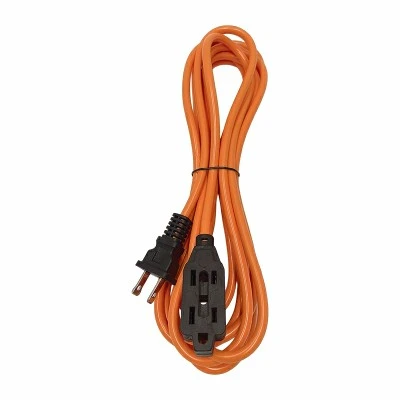
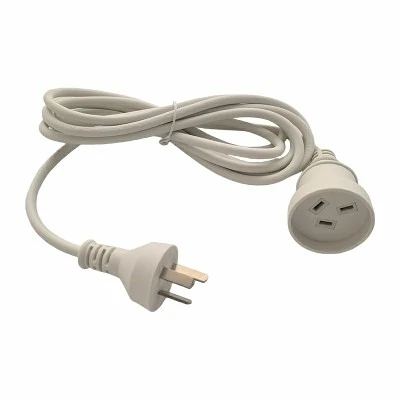
Electrical products such as power strips, extension cords, cable reels, sockets, and work lights are widely used across residential, commercial, and industrial environments. Because these products directly involve electricity usage, they are subject to strict regulatory control in most countries.
For B2B buyers, choosing a certified manufacturer is essential not only for compliance but also for long-term business stability.
Why Certifications Matter in International Trade
Certifications serve as proof that a product has been tested and meets specific safety, performance, and environmental standards. For importers, they provide several critical advantages:
- Smooth customs clearance
- Reduced legal and compliance risks
- Easier retail and distributor approval
- Higher consumer trust in local markets
- Lower product liability risks
Without proper certification, products may be rejected at customs, blocked by retailers, or even recalled from the market.
CE Certification for the European Market
CE marking is one of the most important certifications for electrical products entering the European Union. It indicates that the product complies with EU safety, health, and environmental protection requirements.
For power strips and extension cords, CE certification typically evaluates:
- Electrical safety performance
- Insulation strength
- Heat resistance
- Structural safety design
- Material compliance
Manufacturers targeting the European market must ensure strict adherence to CE standards, as non-compliant products cannot legally enter EU countries.
RoHS Compliance: Environmental Safety Requirement
RoHS (Restriction of Hazardous Substances) focuses on limiting harmful materials in electrical and electronic products. It restricts the use of substances such as lead, mercury, cadmium, and certain flame retardants.
For global buyers, RoHS compliance ensures:
- Environmentally safe materials
- Reduced ecological impact
- Compliance with EU and global green policies
- Easier acceptance in retail and government projects
Today, RoHS compliance is widely required not only in Europe but also in many other international markets.
UKCA, ETL, and Other Regional Standards
Different regions have their own certification systems:
UKCA (United Kingdom)
Replaced CE marking in the UK market after Brexit and is required for most electrical products sold in the UK.
ETL / UL (North America)
These certifications ensure compliance with US and Canadian safety standards, covering electrical performance, fire resistance, and durability testing.
SAA (Australia & New Zealand)
Required for electrical products entering the Australian and New Zealand markets.
For global importers, understanding regional certification requirements is essential for successful market entry.
The Role of Manufacturers in Certification Support
A professional electrical accessories manufacturer should not only produce products but also support certification processes for international buyers.
This includes:
- Providing test samples for certification testing
- Ensuring production consistency with certified samples
- Maintaining documentation and compliance records
- Updating certifications based on market requirements
Manufacturers with strong certification support capabilities help importers reduce time-to-market and avoid regulatory risks.
Quality Control and Certification Consistency
One of the most overlooked issues in global sourcing is consistency between certified samples and mass production.
Reliable manufacturers ensure:
- Strict raw material control
- Standardized production processes
- Batch-to-batch quality consistency
- Continuous internal testing
This ensures that products remain compliant even during large-scale production.
Certification as a Competitive Advantage in B2B Market
In the B2B electrical accessories market, certification is not just a requirement-it is also a competitive advantage.
Certified manufacturers are more likely to:
- Work with international brands
- Enter high-end retail channels
- Win government and industrial contracts
- Build long-term distributor relationships
As global buyers become more quality-conscious, certification capability directly affects supplier selection.
Conclusion: Certification Is the Foundation of Global Trade Success
For importers and distributors, selecting a certified electrical product manufacturer is essential for reducing risk, ensuring compliance, and achieving long-term market success.
Companies that fail to meet certification requirements will face increasing barriers in international trade.
About Hangzhou Xianghe Electric Appliance Co., Ltd.
Hangzhou Xianghe Electric Appliance Co., Ltd. is a professional manufacturer specializing in electrical accessories such as power strips, extension cords, cable reels, sockets, and work lights. The company provides OEM and ODM services for global customers and ensures strict compliance with international certification standards including CE, RoHS, and other regional requirements.
With strong quality control systems and export experience, Xianghe Electric supports global buyers in achieving safe, compliant, and competitive product solutions.


