

Introduction: Why Choosing the Right Manufacturer Matters
In the global electrical accessories industry, extension cords are one of the most widely used power distribution products across residential, commercial, industrial, and construction applications. As international infrastructure projects continue to expand, demand for reliable and durable extension cords has increased significantly among importers, wholesalers, and private-label brands.
However, sourcing extension cords is not simply a matter of comparing prices. For B2B buyers, the real challenge lies in identifying a qualified OEM extension cord manufacturer that can ensure consistent quality, compliance with international standards, and long-term supply stability.
A poor supplier choice may result in product failures, safety risks, customs clearance issues, or even damage to brand reputation. Therefore, understanding how to properly evaluate a manufacturer is essential for any global procurement decision.
Manufacturing Capability and Production Scale
One of the first factors that importers should evaluate is the production capacity of the manufacturer. A professional OEM extension cord manufacturer should have stable production lines capable of handling both small trial orders and large-volume shipments.
Key aspects to evaluate include:
- Number of production lines
- Daily or monthly output capacity
- Level of automation in assembly
- Workforce experience and technical training
- Ability to handle peak-season demand
Manufacturers with advanced production equipment and standardized workflows are more likely to deliver consistent quality across large batches. This is especially important for distributors who require continuous replenishment for retail or industrial customers.
Raw Material Selection and Electrical Safety Standards
The performance and safety of an extension cord depend heavily on the quality of raw materials used during production. International buyers should pay close attention to the following components:
Copper Conductors
High-purity copper ensures better conductivity, lower heat generation, and improved electrical efficiency. Inferior copper or mixed materials can significantly increase safety risks.
Insulation Materials
Flame-retardant PVC or rubber materials are commonly used to protect internal wiring and prevent overheating or fire hazards.
Plug and Socket Quality
Reliable plugs and sockets should meet international standards and provide stable electrical connection without loosening over time.
In addition, buyers should verify whether the manufacturer conducts raw material inspection before production to ensure consistency and compliance.
International Certifications and Compliance
For most import markets, certification is a mandatory requirement rather than an optional advantage. A qualified OEM extension cord manufacturer should be able to provide relevant certification support depending on the target market.
Common certifications include:
- CE (Europe)
- RoHS (Restriction of Hazardous Substances)
- UKCA (United Kingdom)
- ETL or UL (North America)
- SAA (Australia)
These certifications ensure that products meet safety, environmental, and performance standards required by different regions. Without proper certification, products may face customs rejection or retail listing restrictions.
For B2B buyers, working with certified manufacturers reduces regulatory risks and simplifies market entry.
Quality Control and Testing Procedures
Quality control is a critical factor that distinguishes professional manufacturers from low-cost suppliers. A reliable factory should implement strict inspection procedures at every production stage.
Typical testing processes include:
- Incoming material inspection (IQC)
- In-process quality control (IPQC)
- Final product inspection (FQC)
- Electrical performance testing
- Load capacity testing
- High-voltage resistance testing
- Temperature rise testing
These procedures help ensure that every extension cord meets safety and performance requirements before shipment.
In addition, professional manufacturers often maintain quality documentation for each batch, allowing traceability in case of any issues.
OEM and ODM Customization Capabilities
In today's global market, more importers are shifting toward private label and customized products rather than standard generic items. This makes OEM and ODM capability a key evaluation factor.
A strong OEM extension cord manufacturer should be able to provide:
- Logo printing and branding
- Customized packaging design
- Cable length customization
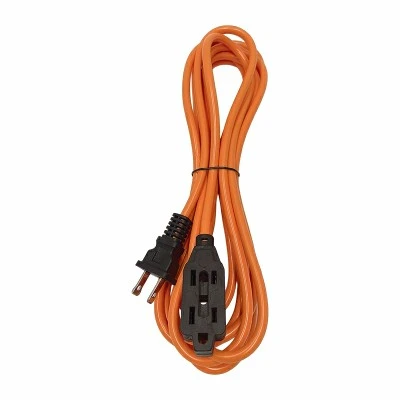
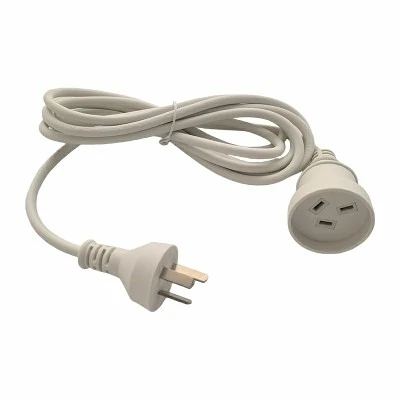
- Plug type adaptation for different countries
- Color and material customization
- Industrial or heavy-duty design options
- Product development support
ODM capability is particularly valuable for brands looking to develop unique product lines and differentiate themselves in competitive markets.
Supply Chain Stability and Delivery Performance
Global buyers often face challenges related to logistics delays, raw material fluctuations, and seasonal demand changes. Therefore, supply chain stability is a crucial factor when selecting a supplier.
A reliable manufacturer should have:
- Stable raw material sourcing channels
- Efficient production scheduling systems
- Flexible order management capabilities
- Experience in international shipping documentation
- Ability to meet tight delivery deadlines
Consistent delivery performance helps importers reduce inventory risks and maintain stable business operations in their local markets.
Communication and Long-Term Cooperation Value
Beyond technical capabilities, communication efficiency is also an important factor in supplier selection. A professional OEM manufacturer should provide:
- Fast response to inquiries
- Clear technical documentation
- Transparent pricing structure
- Professional sales and engineering support
- Long-term partnership mindset
For B2B buyers, the goal is not only to complete one transaction but to establish a long-term stable supply relationship.
Industry Trends in Extension Cord Manufacturing
The global extension cord industry is evolving rapidly due to changes in energy usage patterns, safety requirements, and industrial automation.
Key trends include:
- Increasing demand for heavy-duty extension cords
- Growth of outdoor and industrial applications
- Higher safety and fire-resistance standards
- Rising OEM/ODM customization demand
- Integration with smart power systems
These trends indicate that manufacturers must continuously invest in product development and quality improvement to remain competitive in global markets.
Conclusion: Choosing the Right Partner Is a Long-Term Strategy
Selecting an OEM extension cord manufacturer is a strategic decision that directly affects product quality, market competitiveness, and brand reputation. B2B buyers should evaluate suppliers based on manufacturing capability, certifications, quality control systems, customization flexibility, and supply chain stability rather than focusing solely on price.
A qualified manufacturing partner can help importers reduce risk, improve efficiency, and achieve sustainable business growth in the global electrical accessories market.
About Hangzhou Xianghe Electric Appliance Co., Ltd.
Hangzhou Xianghe Electric Appliance Co., Ltd. is a professional manufacturer specializing in power distribution products including power strips, extension cords, cable reels, sockets, and work lights. The company provides comprehensive OEM and ODM services for global importers, distributors, and private-label brands.
With advanced production facilities, strict quality control systems, and international certification capabilities, Xianghe Electric is committed to delivering safe, reliable, and cost-effective electrical solutions for global markets. The company continues to support long-term cooperation with overseas partners by offering stable supply, flexible customization, and professional manufacturing services.


